



Could It Be My Thyroid, Even Though My Lab Tests Are Normal?
Why Normal Labs Don’t Tell the Full Story
Do you feel tired, anxious, foggy, cold, or unable to lose weight—but your tests came back “normal”? You’re not alone. Many patients experience symptoms with normal labs, leaving them frustrated and searching for answers.
Research and clinical experience suggest that up to 70% of disease cases are undiagnosed because standard lab tests don’t reveal the full picture.

The Missing Piece in Standard Testing
Most doctors rely on TSH (thyroid stimulating hormone) and T4 to assess thyroid health. While these markers are useful, they don’t measure conversion, absorption, or how thyroid hormones are working inside your cells.
In their groundbreaking book Hypothyroidism: The Unsuspected Illness, Dr. Broda O. Barnes and Lawrence Galton revealed that dysfunction often goes overlooked as a root cause of chronic symptoms—even when labs look “normal.”
Symptoms That Could Be Tied to Thyroid Disease
According to Dr. Barnes, the following symptoms were commonly found in people with undiagnosed hypothyroidism:
-
Fatigue or weakness
-
Dry, coarse skin or hair
-
Lethargy or slow speech
-
Constipation
-
Weight gain (or loss)
-
Brain fog or memory issues
-
Swelling in face, eyelids, or feet
-
Depression or emotional instability
-
Brittle nails
-
Sensitivity to cold or heat
-
Muscle or joint pain
-
Hair loss
-
Hoarseness or difficulty swallowing
-
Menstrual irregularities
-
Heart palpitations or poor circulation
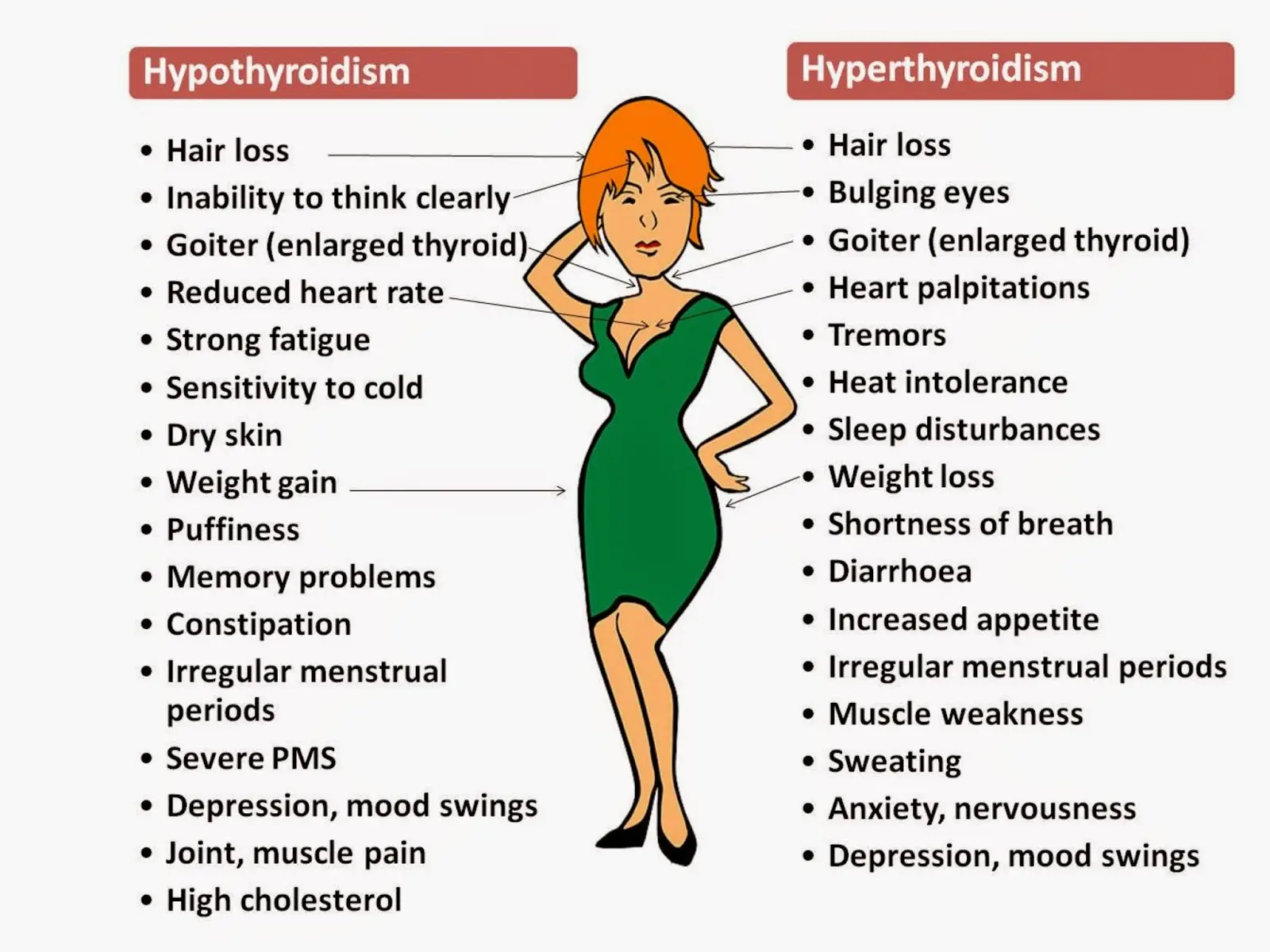
Thyroid Symptoms with Normal Labs Chart (although normal labs aren’t shown here)
Health and Your Bones: A Vital Connection
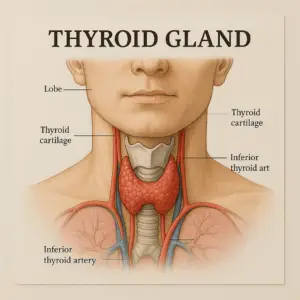
Most people don’t realize that bone health is closely tied to health. A healthy gland helps regulate calcitonin, a hormone that deposits calcium into the bones. When function is impaired:
-
Collagen synthesis slows down
-
Bone resorption (osteoclastic activity) increases
-
Bone formation (osteoblastic activity) decreases
This imbalance can lead to conditions like osteopenia, osteoporosis, and early-onset arthritis. Without adequate high-quality protein and fat, especially in vegan or vegetarian diets, your body struggles to build or maintain strong bones.
Nutrients and glands crucial to bone and thyroid health:
-
Thyroid and adrenal glands
-
Hypothalamus and pituitary
-
Liver, gallbladder, pancreas
-
Reproductive organs
-
Fat-soluble vitamins A, D, E, and K
Hashimoto’s and Graves’ Disease: More Than Just a Problem
Hashimoto’s thyroiditis (hypothyroidism) and Graves’ disease (hyperthyroidism) are often misunderstood as problems caused by the gland. But in most cases, the gland is the victim, not the culprit.
The real issue? Autoimmunity and leaky gut.
When your immune system becomes confused, it begins attacking healthy thyroid tissue. This is triggered by:
-
Gut infections (candida, mold, parasites, viruses)
-
Poor gut microbiome (dysbiosis)
-
Environmental exposures (mold at home, work, or the gym)
-
Food sensitivities and nutrient deficiencies

-
What You Need to Know About Leaky Gut and Autoimmunity
-
-
Also known as gut permeability, leaky gut allows toxins to escape into the bloodstream
-
This triggers immune confusion and systemic inflammation
-
Mold, yeast, and candida are often underlying pathogens in autoimmune thyroid conditions
-
These infections may stem from hidden environmental mold exposure
-
The Emotional and Structural Roots of Thyroid Dysfunction
Every thyroid condition also has an emotional and structural component.
Emotional Triggers:
-
Unresolved trauma
-
Chronic stress or burnout
-
PTSD
-
Emotional suppression or “holding back your voice” (linked to the throat chakra in holistic medicine)
Structural & Chemical Contributors:
-
Poor posture (affecting the vagus nerve and cervical spine)
-
Excessive carb and sugar intake → raises cortisol
-
Cortisol blocks conversion of inactive T4 into active T3
Conditions Commonly Misdiagnosed but Related to Thyroid Dysfunction
Even when thyroid lab tests appear “normal,” many conditions are deeply rooted in poor thyroid function:
-
Depression and Anxiety
-
Adrenal Fatigue
-
Weight loss resistance
If you’re suffering from any of these and not finding relief, it may be time to look deeper at your thyroid, gut, and hormone balance—not just your lab numbers.
What You Can Do Next
If you’ve been told your thyroid is “fine,” but you still don’t feel right, trust your instincts. There’s more to thyroid health than just lab results.
We offer natural, personalized solutions to help you restore your thyroid function and regain your vitality—including evaluation of:
-
Gut health and microbiome
-
Hormone levels (including cortisol, T3, and T4)
-
Emotional patterns and trauma
-
Environmental exposures (including mold testing)
-
Nutritional deficiencies
-
Thyroid-related bone and muscle symptoms
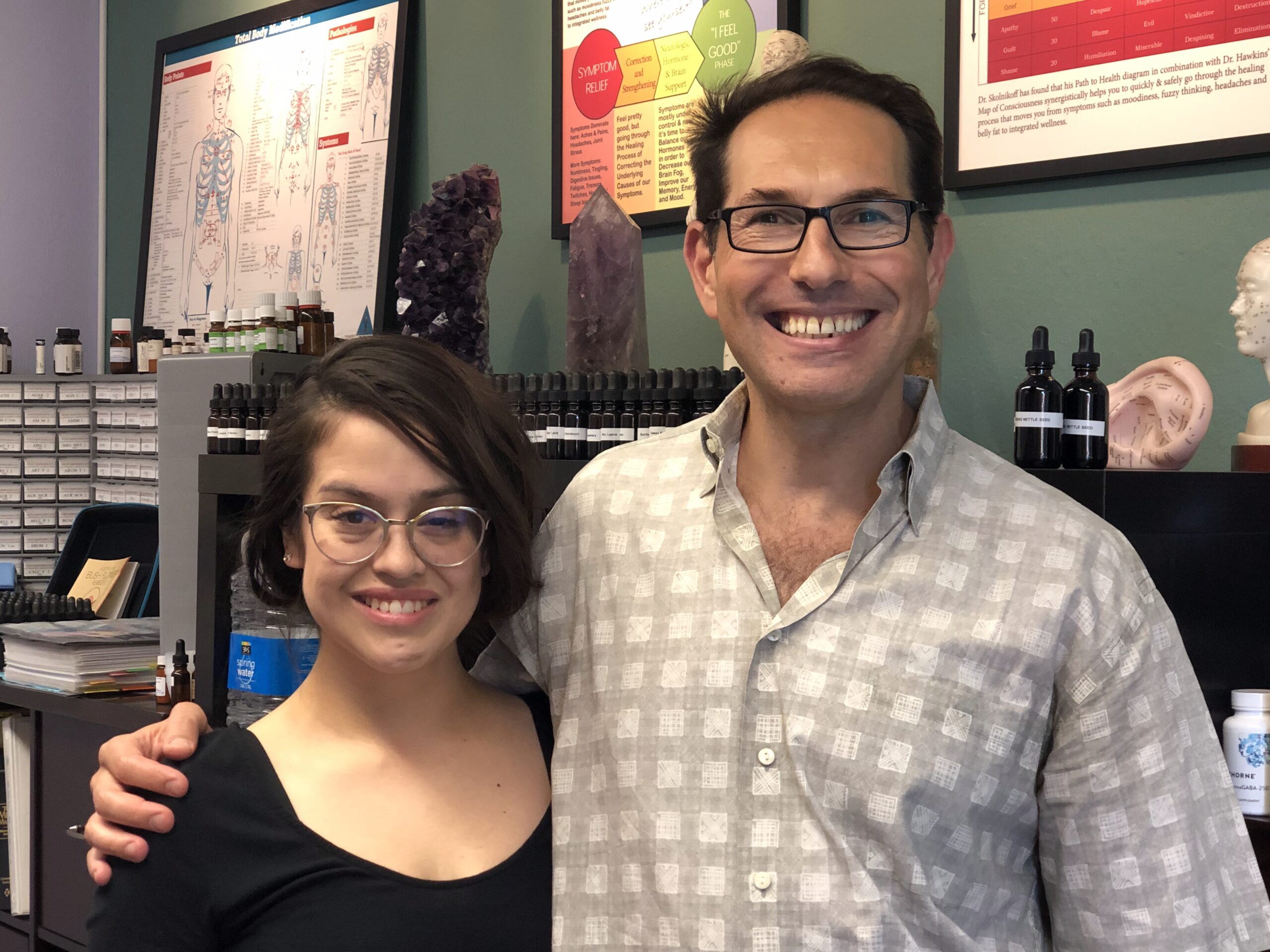
Happy Thyroid Specialist Doctor / Happy Patient Healing from Hypothyroidism
Final Thoughts
You deserve to feel well. If your energy is low, your mood is off, or your body just doesn’t feel like it used to, don’t settle for “normal” labs. There is a root cause, and it can be addressed naturally.
Why You May Still Have Thyroid Symptoms with Normal Labs
In 1976, Broda O. Barnes, M.D. and Lawrence Galton wrote the now-famous book, Hypothyroidism: The Unsuspected Illness. Most of the information in the book comes from the knowledge that was gleaned well before 1976. What was revealed in this 1976 classic is still true today. It was found that many skin conditions, such as acne and dermatitis, would dramatically improve or even completely resolve with the introduction of bioidentical hormone.
Bone problems at birth may be due to thyroid disease of the mother, and bone problems later in life may be due to thyroid disease as well. Medical schools, naturopathic schools, and chiropractic schools teach that bone disease is inevitable later in life, typically beginning at around 26 years old in males and approximately 31 years old in females. However, the involvement of the thyroid gland and adrenal glands in bone disease is not well explored.
Neither is the link between poor diet and digestion explored as commonly associated with bone disease as it should be. There is a direct link between veganism and vegetarianism and bone disease. Without enough high-quality protein and fats in the diet, it is not possible to metabolize the collagen (made from protein) and minerals needed to lay down the foundational components for healthy bone.
Calcitonin is a hormone that helps your body deposit healthy calcium into bone. Therefore, the relationship between good bone health and good health is a direct relationship. There needs to be a balance between osteoblastic activity (the formation of new healthy bone cells) and osteoclastic activity (the recycling and resorption of old and unhealthy bone cells). This allows you to develop healthy osteocytes (bone cells).
This entire process that leads to the creation of new healthy bone requires healthy hormone balance as well. The hormones are a bit like the keys to the entire process. However, the keys don’t do much if you don’t have a door to open and close and walk through — or a room on the other side of the door to go into. The door is like your cells and organs and glands, and the rooms are like your organ systems and body systems.
Your gland, adrenal glands, heart, hypothalamus, pituitary, pancreas, gallbladder, liver, and heart all need to be functioning properly just to produce healthy bones. Fat-soluble vitamins A, D, E, and K are crucial to healthy bone formation. You also need to have a healthy prostate and testicles if you are a male, and healthy ovaries and uterus if you are a female.
Here are just a few additional symptoms that Barnes and Galton found were directly linked to thyroid disease:
- Sensation of cold
- Decreased sweating
- Cold skin
- Thick tongue
- Coarseness of hair
- Heart enlargement
- Pallor of skin
- Impaired memory
- Pallor of lips
- Labored of difficult breathing
- Hoarseness
- Loss of appetite
- Nervousness
- Excessive menstruation
- Deafness
- Poor heart sounds
- Pain over the heart
- Poor vision
- Changes in back of eye
- Painful menstruation
- Loss of weight
- Emotional instability
- Choking sensation
- Fineness of hair
- Cyanosis (bluish discoloration of skin)
- Difficulty in swallowing
- Muscle weakness
- Burning or tingling sensations
- Heart intolerance
- Slowing of mental activity
- Heat intolerance
- Slowing of mental activity
- Slow movements